


Uber, Wayve, and Waymo are headed toward a robotaxi showdown in London
Uber customers in the U.K. can now join an interest list to increase their chances of being matched with a Wayve autonomous vehicle — another sign that the two companies are preparing to launch a robotaxi service in London. When that launch does happen, Uber will be competing directly with Waymo, Alphabet’s self-driving company that is considered the robotaxi leader in the United States.
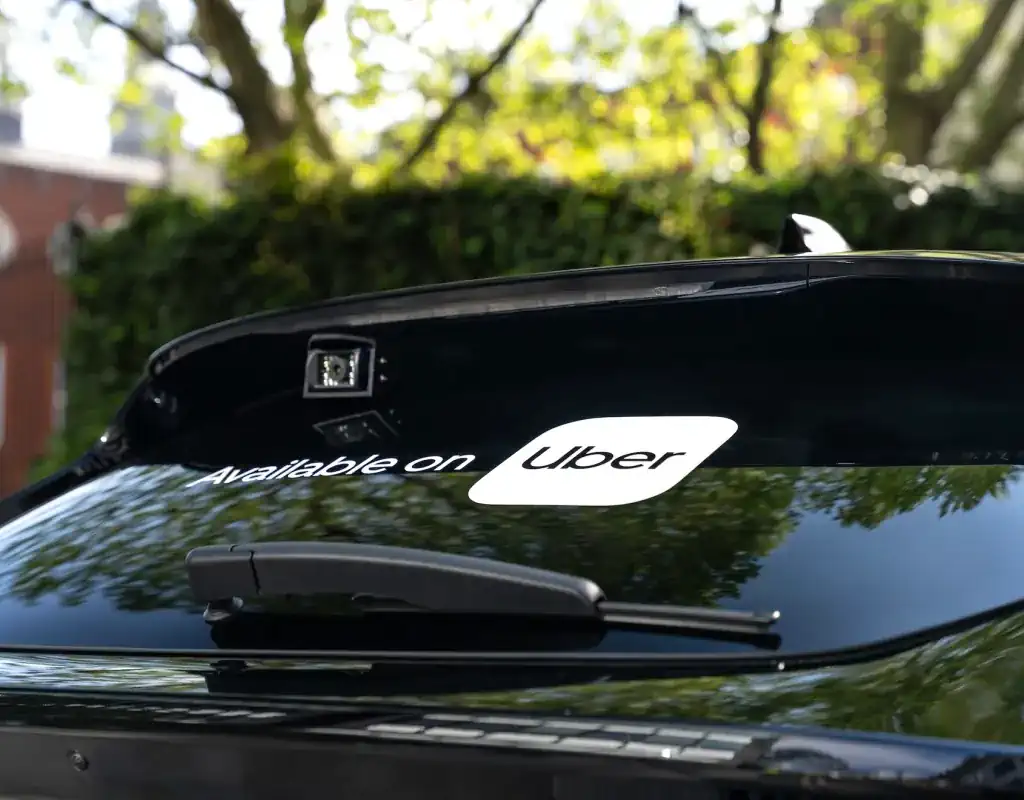
Uber announced the interest list on Monday in London along with a branded, black Ford Mustang Mach-E equipped with Wayve’s self-driving system. While Wayve is handling the autonomous vehicle tech, Uber has designed what happens inside, including how riders will interact with the vehicle through interactive touchscreens that support 64 languages.
Uber has teased the impending robotaxi service, but has yet to provide an official date, only saying it will launch in the coming months, pending regulatory approval. After launch, Uber customers who request a ride on the app may be matched with a Wayve vehicle, at no additional cost compared with a traditional human-driven one.
Riders can increase their chances of getting a robotaxi by going into their account settings, clicking on rider preferences, and selecting autonomous vehicles. If matched with an AV, riders will be able to decline it and opt for a human driver. The Wayve robotaxis will initially have a human safety operator behind the wheel before fully driverless operations begin in the future, Uber said.
💡 The London Showdown: Robotaxis Enter the Commercial Era
The announcement that Uber will launch a Wayve-powered robotaxi service in London, directly competing with Waymo, marks a pivotal shift. The battle is no longer just about technology; it’s about commercialization, platform dominance, and market share.
Uber’s strategy of partnering with multiple AV companies (like Wayve) to challenge the leader (Waymo) creates a complex ecosystem. This “showdown” validates the market and creates an urgent need for definitive digital identities that can capture value across the entire autonomous mobility stack.
The domains below represent the premium digital real estate for this new era, covering everything from consumer-facing services to the underlying “Embodied AI” technology that powers them.
Meanwhile, Waymo is also on London’s streets. In April, Waymo began testing its autonomous vehicles with human safety operators. The company is testing about 100 of its autonomous Jaguar I-Pace vehicles in a 100-square-mile area of the city.
The imminent showdown is complicated by Uber and Waymo’s existing partnership in the United States — one that is already showing signs of wear. The two companies, once rivals in a trade secrets lawsuit, agreed to work together in 2023 when Waymo put its self-driving vehicles on Uber’s app in Phoenix. That partnership has been relatively limited, though, since Waymo lets Phoenix customers directly hail a robotaxi through its own app as well.
The pair expanded the partnership in March 2025, when Waymo agreed to put its vehicles on the Uber app in Austin, and later, in Atlanta. In both of those cities, prospective customers cannot hail a robotaxi directly through Waymo’s app, and have to use the Uber app and hope for a match.
Domain Appraisals:
EAICab.com
- The “Uber” Connection: Uber’s model is about being the platform that connects riders to various mobility solutions. As the article notes, Uber is investing in and partnering with dozens of AV companies.
- Why this domain?
EAICab.comis the perfect name for the next generation of ride-hailing services. “EAI” (Embodied AI) is the cutting-edge term for AI that interacts with the physical world, and “Cab” is the universal term for urban transport. This domain is ideal for a future-facing mobility aggregator or a specific robotaxi brand that wants to signal its technological superiority. It positions itself as the intelligent, AI-native successor to the traditional “taxi” or “cab” company.
AIBotTaxi.com
- The “Waymo” Imperative: Waymo is the current leader, and its service is widely known as a “robotaxi.” The term is entering the mainstream lexicon.
- Why this domain?
AIBotTaxi.comis the most direct, descriptive, and memorable .com domain for the entire industry. It combines the three most important keywords: “AI,” “Bot” (robot), and “Taxi.” For any company looking to launch a direct-to-consumer robotaxi service, this domain offers instant brand recognition and SEO power. It is the digital equivalent of a yellow cab medallion for the autonomous age.
The Tech & Ecosystem Extension
- EAIRobotaxi.com: The Technology Powerhouse. While
AIBotTaxi.comis for the service,EAIRobotaxi.comis for the technology behind it. “Embodied AI Robotaxi” is the precise technical term for what companies like Wayve and Waymo are building. This domain is a prime asset for the R&D divisions, technology providers, or venture capital firms funding the underlying “physical intelligence” that makes autonomous driving possible. - EAIMove.com: The Logistics & Infrastructure Play. The Uber/Waymo battle is about moving people, but Embodied AI’s impact is far greater.
EAIMove.comcaptures the broader market of intelligent movement, including autonomous logistics, warehouse robots, and smart infrastructure. It’s the perfect domain for a company focused on the “movement” aspect of EAI, beyond just passenger vehicles, representing the entire ecosystem of autonomous motion.
The two companies’ relationship has continued even as they appear to be drifting apart in other areas. Uber has spent the past two years investing in, and partnering with, dozens of autonomous vehicle companies, including Wayve.
Uber executives have also taken direct shots at Waymo, an unorthodox way to treat a business partner. For instance, Uber CTO Praveen Neppalli posted a video and commentary on X calling out the unsafe behavior of a Waymo robotaxi, calling it “scary.”
The ride-hailing giant has launched two new business divisions — a data play called AV Labs, and an operations-focused unit called Uber Autonomous Solutions — that illustrate the company’s broader ambitions to gain market share in the nascent autonomous vehicle industry.
Uber has placed many bets on autonomous vehicle companies that could compete with Waymo, most notably Wayve. In February, the U.K. startup raised $1.2 billion from a number of strategic backers, including Uber as a return investor. The total raise could reach $1.5 billion thanks to another $300 million from Uber contingent on deploying robotaxis, beginning in London.
There is one regulatory hitch that will delay the robotaxi face-off, at least for a while. The U.K. government is in the process of creating autonomous vehicle regulations, and it doesn’t appear to be wrapping up anytime soon. The government’s transportation department opened applications in May for companies interested in its AV pilot program. The department said it will take what it learns from the pilot program and apply it toward the development of its regulations.
Whether you are building the consumer brand (
AIBotTaxi.com), the service platform (EAICab.com), the core technology (EAIRobotaxi.com), or the broader logistics network (EAIMove.com), these domains are the foundational assets of the autonomous future. They are not just URLs; they are the flags planted on the new frontiers of mobility.
Source:https://techcrunch.com/2026/06/08/uber-wayve-and-waymo-are-headed-towards-a-robotaxi-showdown-in-london/?utm_campaign=daily_am